





We use cookies to provide you with better user experience. Cookies settings can be controlled and configured in your web browser at any time.
By using the site you agree to us using cookies and also read privacy policy. To continue viewing and using the website click on “Continue”.
26
May 2026
Blog
Outdoor Display Brightness Guide
Outdoor Display Brightness Guide: How Many Nits Do You Need?
Choosing the right brightness level is one of the most important decisions when selecting a display for outdoor kiosks, transportation systems, digital signage, factory automation, or public information terminals. A screen that looks clear indoors may become difficult to read when placed near a window, under strong ambient light, or in direct sunlight.
This is where a sunlight readable display becomes essential. Instead of focusing only on screen size or resolution, buyers need to understand how brightness, measured in nits, affects real-world visibility.
4000 nits High brightness for sunlight readability
55-inch Large-format industrial LCD
178° Wide viewing angle
100,000 hr Backlight MTBF
What Is a Sunlight Readable Display?
A sunlight readable display is a high-brightness LCD designed to remain visible under strong ambient light or direct sunlight. Standard commercial displays are usually designed for indoor environments. They may look bright in an office or retail store, but the image can appear washed out when the screen is installed outdoors.
For applications that require clear visibility in bright outdoor environments, a 4000 nits outdoor display such as the Litemax DPF5501-LNN can provide the brightness level needed for demanding kiosk, signage, transportation, and industrial projects.
Key Factors for Sunlight Readability
- Brightness level, usually measured in nits or cd/m²
- Anti-glare or optical treatment
- Contrast ratio
- Viewing angle
- Thermal design
- Backlight lifetime
- Panel durability
Among these factors, brightness is usually the first specification buyers compare. A higher nit value means the display can output more light, making the content easier to see in bright environments. However, higher brightness alone does not automatically mean better performance. For industrial and outdoor display projects, the display must also be reliable enough for long operating hours, temperature changes, and continuous exposure to demanding installation conditions.
Outdoor Display Brightness Comparison Table
The right brightness level depends on where the display will be installed. Below is a practical reference table for B2B buyers, system integrators, and equipment manufacturers.
| Application Environment | Recommended Brightness | Typical Use Cases | Display Recommendation |
|---|---|---|---|
| Indoor office / control room | 250–500 nits | Control panels, indoor monitoring, office displays | Standard industrial display may be sufficient |
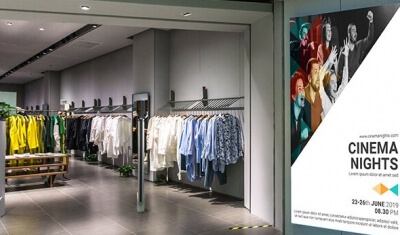
| Bright indoor / near window | 500–700 nits | Retail displays, factory floor screens, indoor kiosks | High brightness industrial LCD |
| Semi-outdoor / covered outdoor | 700–1500 nits | Transportation terminals, covered kiosks, sheltered signage | High brightness or sunlight readable display |
| Full outdoor / strong sunlight | 2500–4000+ nits | Outdoor kiosks, digital signage, ticketing machines, public information displays | 4000 nits sunlight readable display |
| Mission-critical outdoor use | 4000 nits + rugged design | Harsh environment display systems, transportation, defense, industrial outdoor equipment | Industrial-grade sunlight readable display |
For many outdoor kiosk display nits requirements, 1000–1500 nits may work in shaded or semi-outdoor spaces. But for displays that must remain readable under direct sunlight or strong ambient light, 2500–4000 nits is usually a safer choice.
Why 4000 Nits Matters for Outdoor Applications
A 4000 nits display is designed for projects where visibility cannot be compromised. In outdoor applications, the screen often competes with sunlight, reflections, and changing light conditions throughout the day.
If the brightness is too low, users may need to move closer, block the sunlight with their hands, or avoid interacting with the display altogether.
A 4000 Nits Outdoor Display Helps Improve Readability In:
- Outdoor self-service kiosks
- Transportation stations
- Parking payment systems
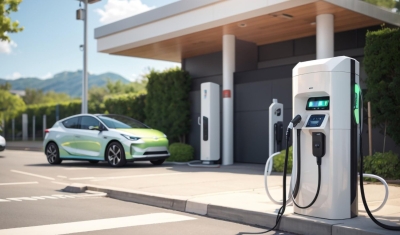
- EV charging stations
- Public information displays
- Outdoor advertising signage
- Industrial monitoring systems
- Harsh environment equipment
For self-service kiosks, ticketing machines, wayfinding systems, and outdoor digital signage, poor screen readability can directly affect usability. A user-facing kiosk should not require extra effort to read basic instructions, payment information, maps, or service options.
DPF5501-LNN: 4000 Nits Outdoor Display Application Scenarios
The Litemax DPF5501-LNN is a 55-inch industrial-grade sunlight readable LCD with 4000 nits LED backlight brightness, Full HD 1920 × 1080 resolution, 178° wide viewing angle, low power consumption, LCD blackening defect-free design, and 100,000-hour backlight MTBF. These features make it suitable for outdoor visibility and long-hour operation.
55-inch TFT LCD
4000 nits LED backlight
1920 × 1080 Full HD resolution
178° / 178° Wide viewing angle
100,000 hr Backlight MTBF
Low Power Consumption design
Blackening-Free LCD defect-free design
Industrial Grade Outdoor reliability
Application Scenarios for DPF5501-LNN
The DPF5501-LNN is especially suitable for projects that require a large-format display with high brightness and long-term reliability.
Outdoor Kiosk
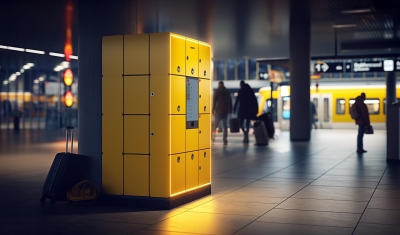
Outdoor kiosks need screens that remain readable during daytime operation. Whether the kiosk is used for ticketing, information search, wayfinding, ordering, or self-service payment, clear display visibility is essential to the user experience.
Transportation Display
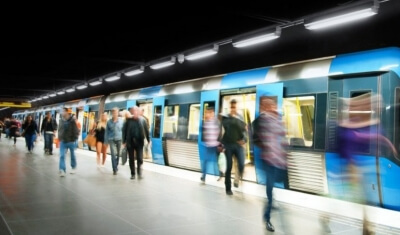
Passenger information systems, station signage, platform displays, and public guidance screens must provide clear information in bright and variable lighting conditions.
Outdoor Digital Signage
A 4000 nits display helps reduce the risk of washed-out content, especially for advertising, public announcements, and commercial signage.
Factory Automation
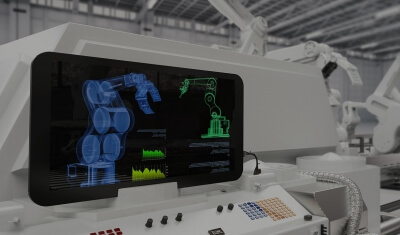
A high-brightness industrial display can improve readability for equipment monitoring, production status displays, and operator interfaces.
How to Choose an Outdoor Display: 3 Factors Beyond Nits
Brightness is important, but it should not be the only factor in your selection. When choosing a sunlight readable display, consider these three additional points.
1
Backlight Lifetime and MTBF
Outdoor displays may operate for long hours every day. A display with a longer backlight MTBF can help reduce maintenance concerns and improve long-term system stability.
2
Viewing Angle
Outdoor kiosks and public displays are often viewed from different directions. A wide viewing angle helps ensure that users can read the screen clearly even when they are not standing directly in front of the display.
3
Thermal and Outdoor Reliability
High brightness displays generate heat. Outdoor installations may also face high ambient temperatures, so buyers should evaluate thermal design, LCD blackening prevention, housing design, and the overall integration environment.
Recommended Product: Litemax DPF5501-LNN
If your project requires a 55-inch sunlight readable display for outdoor kiosks, transportation systems, outdoor signage, or industrial applications, the Litemax DPF5501-LNN is a strong candidate.
Key Specifications Include:
- 55-inch TFT LCD
- 4000 nits LED backlight
- 1920 × 1080 resolution
- 178° horizontal / vertical viewing angle
- LCD blackening defect-free design
- Low power consumption
- 100,000-hour backlight MTBF
For system integrators and equipment manufacturers looking for a 4000 nits outdoor display, DPF5501-LNN provides the brightness, durability, and readability required for demanding outdoor projects.
FAQ
How many nits do I need for an outdoor display?
For shaded or semi-outdoor environments, 700–1500 nits may be enough. For full outdoor environments or direct sunlight, 2500–4000+ nits is usually recommended. A 4000 nits display is suitable for demanding outdoor kiosk, signage, and transportation applications.
What does sunlight readable display mean?
A sunlight readable display is designed to remain visible under strong ambient light or sunlight. It usually combines high brightness, strong contrast, wide viewing angle, and reliable backlight technology to improve outdoor readability.
Is 4000 nits too bright for an outdoor kiosk?
For full outdoor or high ambient light kiosk applications, 4000 nits is not excessive. It helps maintain readability during daytime operation. Brightness may also be adjusted depending on installation conditions and system design.